

Designing a drip irrigation system for 1 hectare: the complete guide
A complete engineering guide to drip irrigation design for a 1-hectare farm. From topography to turnkey commissioning.
Overview and estimated budget
A complete drip system for 1 ha of vegetable crops (tomatoes, cucumbers, peppers) is an engineering project with at least 6 nodes: water intake, filtration, fertigation, control, mainline, and irrigation. The budget ranges from UAH 60,000 to 150,000 depending on the configuration.
| Node | Basic level | Professional level |
|---|---|---|
| Pump | Surface 15 m³/h @ 30 m (UAH 10,000) | Grundfos SP 14A-7 + VFD (UAH 25,000) |
| Filtration | Disc filter 120 mesh, manual (UAH 3,000) | Amiad / Azud with backflush (UAH 15,000) |
| Fertigation | Venturi injector (UAH 1,500) | Dosatron D25 (UAH 15,000) |
| Controller | Galcon 6-zone, battery-powered (UAH 5,000) | Hunter Hydrawise WiFi (UAH 12,000) |
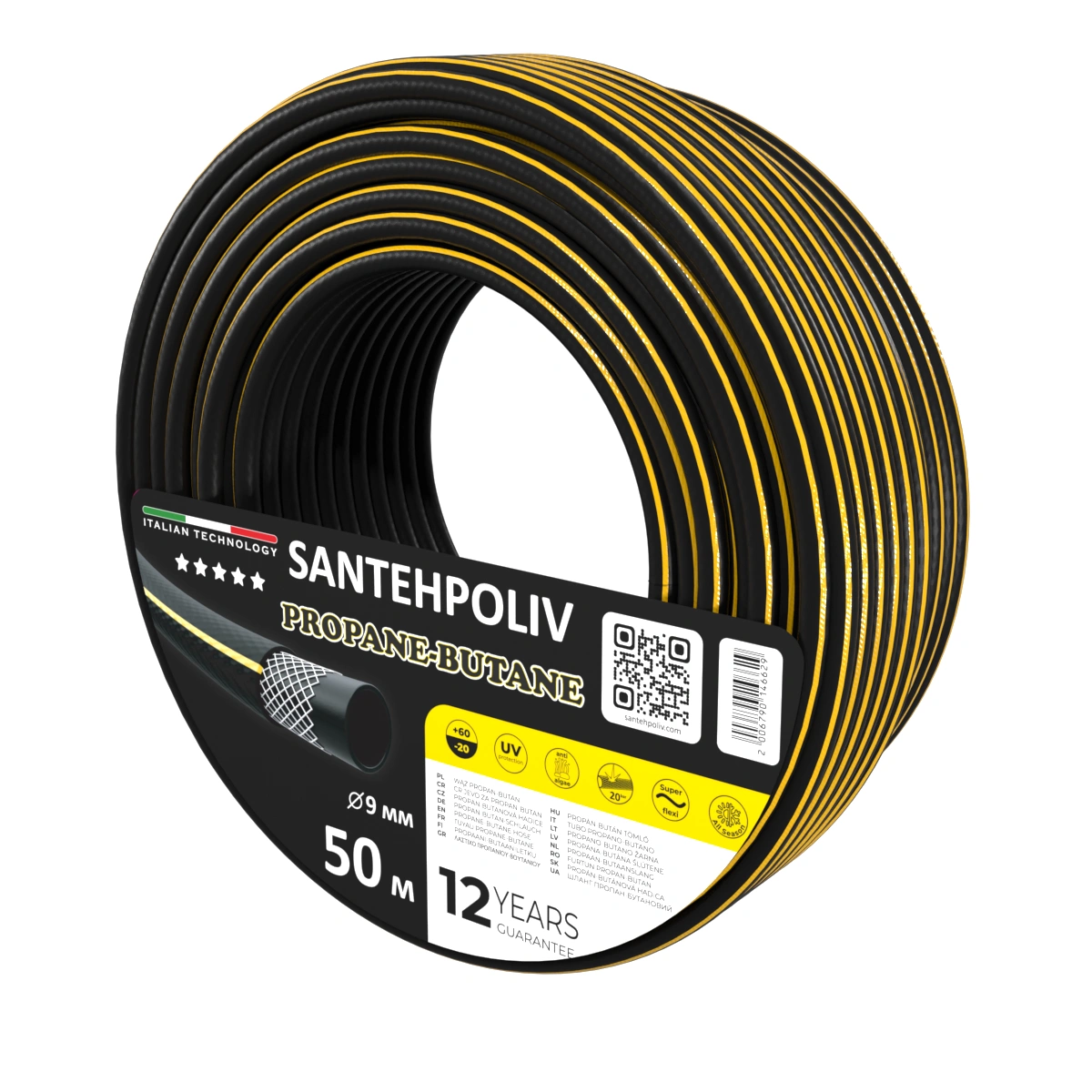
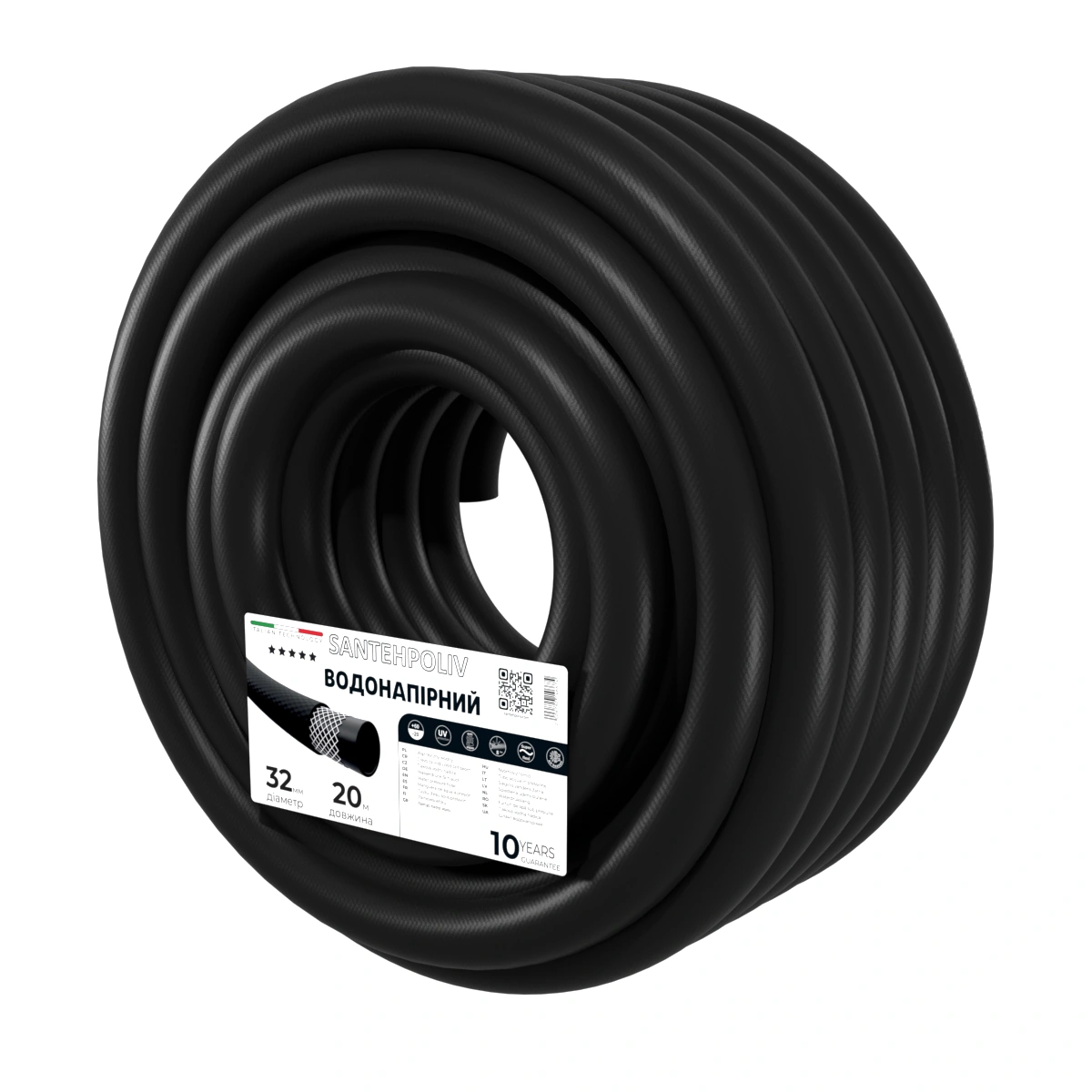
| HDPE mainline | 63 mm 100 m + 32 mm 400 m (UAH 12,000) | 63 mm 100 m + 40 mm 400 m (UAH 18,000) |
| Drip tape | 8 mil, 20 cm spacing, 7,000 m (UAH 20,000) | Netafim DripNet PC, 10 mil (UAH 45,000) |
| Fittings + valves | 10 000 грн | 15 000 грн |
| TOTAL | ~60 000 грн | ~145 000 грн |
5 design phases
Topographic assessment and site plan
Before purchasing any equipment, create a detailed site plan with dimensions, slope, and water source.
What to record:
- Dimensions (typical shape: 100×100 m for 1 ha; could be 50×200, 80×125)
- Elevation difference (leveling instrument, GPS altimeter). Each meter = 0.1 bar
- Distance from the water source to the field (minimum = mainline to the water intake)
- Row direction (along or across the slope — important for water distribution)
- Soil type (sandy/loam/clay) — determines drip tape flow rate
- Planned crops (tomatoes / cucumbers / peppers / combination)
Critical: For farm projects, a CAD plan (AutoCAD, IrriCAD, Netafim IrriExpert) is mandatory. Without a plan, sizing errors and material overruns of 15–20% are common.
Water analysis and supply source
Laboratory analysis is the foundation of the project. It determines filtration, pump selection, and even drip tape choice.
Required analyses:
- pH, TDS, EC — basic quality
- Fe, Mn — determine whether iron removal is needed
- Ca, Mg, HCO₃ — hardness and the need for pH correction
- Turbidity — filtration type (disc vs. sand)
- Bacteria, algae — the need for chlorination
Source and yield:
- Well: static and dynamic level, yield (minimum 15–20 m³/h for 1 ha)
- Pond: reserve volume, minimum level during drought
- Municipal supply: pressure, permitted flow rate per contract
Zoning (dividing into 4–8 zones)
You cannot irrigate 1 ha all at once — that would require a 50+ m³/h pump and a 90+ mm mainline. The solution: divide into zones and irrigate sequentially.
Typical zoning schemes for 1 ha:
- 4 zones × 2,500 m²: moderate flow, 4 cycles of 45–60 min daily
- 6 zones × 1,667 m²: compact pump, longer cycle — 6–8 h
- 8 zones × 1,250 m²: minimum flow, full cycle 10–12 h
Zoning principles:
- One crop — one zone (different water needs)
- Different aspects — separate zones (south-facing needs 30% more)
- Different slopes — separate zones (different hydraulics)
- Young plantings vs. bearing plants — separate zones (different rates)
Hydraulic calculation
Example for 1 ha of tomatoes, 4 zones × 2,500 m², 8 mil drip tape, 20 cm spacing, 1.6 L/h flow rate.
Calculation:
- Drip tape length per zone: 2,500 / 1.5 = 1,667 m (1.5 m bed width)
- Emitters: 1,667 × 5 = 8,333 pcs
- Zone flow rate Q: 8,333 × 1.6 / 1,000 = 13.3 m³/h
- Mainline diameter: at 1.2 m/s, D = 35.7 × √(3.7 / 1.2) = 63 mm
- Losses over 100 m of 63 mm mainline: 1.5 m (0.15 bar)
- Emitter operating pressure: 1 bar = 10 m
- Filter: 3 m
- Elevation difference: 3 m
- Total head: 10 + 1.5 + 3 + 3 = 17.5 m (1.75 bar)
25% margin for fertigation, filter fouling, wear = 22 m head.
Pump: 14 m³/h @ 22 m = Grundfos CM 15-2 (2.2 kW) or Pedrollo 4CPm 100-C. For a detailed calculation, see the hydraulics article.
Components and installation
Water intake and filtration unit (2 m²):
- Pump with dry-run protection
- 100 L pressure tank OR VFD
- Pressure gauges before and after the filter
- Disc or sand filter, 120–150 mesh
- Check valve
Fertigation unit (1 m²):
- Dosing pump (Dosatron D25 or Venturi)
- Tank for stock solution A (50–100 L)
- Tank B for incompatible salts (50–100 L)
- Acid tank for pH adjustment (20–50 L)
- Additional 150 mesh filter after the injector
Controller and valves:
- 6-zone controller: Hunter X-Core or Galcon
- Master valve at the inlet
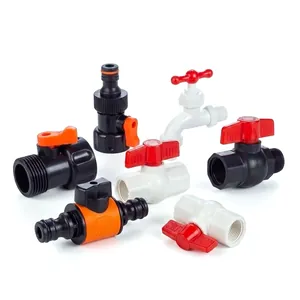
- 4–6 solenoid valves 24V (Bermad, Hunter, Rain Bird)
- Flow sensor for monitoring (optional, +UAH 5,000)
Mainline:
- 63 mm HDPE from the unit to the field (50–100 m)
- 40 mm HDPE between zones
- 32 mm HDPE distribution lines
- End-of-line flush valves on each zone
Drip tape:
- 8 mil (0.20 mm) for annuals — recommended
- 20 cm spacing (tomatoes, peppers, cucumbers)
- 1.6 L/h standard flow rate
- PC for rows over 100 m or sloped areas
Installation by a team of 2–3 people: 3–5 days for 1 ha. HDPE fitting welding is mandatory, and the mainline must be laid in trenches at a depth of 40–60 cm.
Project economics
Payback
- Investment: UAH 60,000–150,000 per hectare
- Water savings vs. surface irrigation: 40–60%
- Fertilizer savings through fertigation: 25–30%
- Yield increase: 20–40% vs. manual watering
- Labor cost reduction (irrigators): 80%+
- Payback period: 1–2 seasons for intensive crops (tomatoes, cucumbers, peppers)
Service life
- HDPE mainline: 20–50 years (underground)
- Pump: 5–10 years with maintenance
- Controller: 5–8 years
- Drip tape: 3–4 seasons (8 mil) or 5–7 (PC 10–12 mil)
- Filters: 5–10 years (flushing every 3–7 days)
Seasonal maintenance plan
- Daily: monitor pressure and flow, visually inspect drip tape, check EC/pH
- Weekly: filter backflush, end-of-line mainline flush, emitter Cv test
- Monthly: acid treatment with 3–5% citric acid, shock chlorination at 10 ppm
- End of season: system winterization, drip tape removal, storage
- Spring: de-winterization, pressure test, fertigation station calibration
Top 7 design mistakes for 1 ha
- No water analysis: building a system only to discover Fe 3+ mg/L and clogged tape after a month
- Skimping on filtration: a screen filter instead of a disc filter on well water = replacing tape after one season
- One zone for the entire hectare: requires a large pump and a bigger mainline. A 50 m³/h pump costs as much as a 6-zone controller
- No pressure margin: the pump is sized right at the operating point. After one season, a fouled filter adds 0.5 bar and water stops reaching the far end
- Skimping on mainline: 32 mm instead of 40 mm. The difference is UAH 3/m × 500 m = UAH 1,500, while re-laying costs UAH 50,000
- No fertigation: manually spreading fertilizer on a drip-irrigated field — 60% loss of emitter efficiency
- Unprotected above-ground mainline: tractors and combines cause damage. Bury the mainline at 40–60 cm depth or protect it with mulch
Pre-purchase checklist
- Site plan in CAD or on graph paper
- Laboratory water analysis
- Well data (yield, levels)
- Crops and schedules defined
- Hydraulic calculation for all zones
- Full component specification
- Budget + 15% contingency
- Installation plan (team, 3–5 day schedule)
- Seasonal maintenance plan
- Spare parts reserve (10% drip tape, fittings, gaskets)
Ready to order a complete system for 1 ha?
Our engineering department handles design and full system supply for farms. The service includes a CAD plan, hydraulic calculation, equipment specification, and installation drawings.