

How to water a lawn properly: rates, timing, and watering depth
Deep watering once a week vs. daily light watering — which is better. Morning timing, 25 mm/week standard, ET calculation. Preventing fungal diseases.
The golden rule: 25 mm of water per week
The standard for a temperate climate — the lawn receives 25 mm (1 inch) of water per week total (rain + irrigation). In 35°C heat — up to 40 mm/week. Anything above promotes fungi; anything below causes yellowing.
How to check for 25 mm: place empty cans on the lawn in the irrigation zone — when the water level reaches 25 mm, turn off the system. Measure the time to standardize the cycle.
Deep watering vs. frequent surface watering
Deep watering (correct)
- 2–3 times per week at 10–15 mm each
- Water penetrates 15–20 cm deep
- Roots develop deep (20+ cm)
- Lawn is drought-resistant
- Fewer fungal diseases
- Fewer weeds (surface weed seeds don't germinate)
Surface watering (incorrect)
- 5 min every day
- Water wets only the top 2–3 cm
- Roots remain shallow
- Lawn dries out within 1–2 days without watering
- Constantly wet foliage — fungal growth
- Weeds grow actively
When to water — time of day is critical
| Time | Rating | Why |
|---|---|---|
| 4:00–9:00 AM (morning) | BEST | Foliage dries before the sun — no burns or fungus. Minimum evaporation |
| 9:00–11:00 AM | Acceptable | More evaporation, risk of droplet burns on leaves from the sun |
| 11:00 AM – 4:00 PM (midday) | POOR | Up to 40% of water evaporates. Droplets on leaves = micro-lenses = burns |
| 4:00–7:00 PM | Acceptable | Foliage has time to dry before nightfall — if before 7:00 PM |
| 7:00–11:00 PM (evening) | NOT RECOMMENDED | Foliage stays wet all night → late blight, powdery mildew, anthracnose |
| 11:00 PM – 4:00 AM (night) | Poor | Worst time — 8+ hours of moisture = ideal conditions for fungus |
Seasonal rates
| Period | Temperature | Frequency | Rate per session |
|---|---|---|---|
| April (spring) | 10–18°C | Once a week | 15 mm (15 L/m²) |
| May | 15–22°C | Twice a week | 12–15 mm |
| June | 20–27°C | 2–3 times a week | 10–12 mm |
| July–August (heat) | 25–35°C | 3 times a week | 12–15 mm (35–45 mm/week total) |
| September | 15–22°C | 1–2 times a week | 12 mm |
| October | 8–15°C | Once every 10–14 days | 10 mm |
How to determine the correct watering duration
Each irrigation system has its own precipitation rate (mm/h). To deliver 15 mm of water, find the required time:
- Spray head: 25–40 mm/h → 15 mm in 20–35 min
- Rotor: 8–12 mm/h → 15 mm in 75–115 min
- MP Rotator: 10–12 mm/h → 15 mm in 75–90 min
- Impulse: 15–25 mm/h → 15 mm in 35–60 min
Can test: place 5–10 empty straight-sided cans across the irrigation zone. Run for 15 min. Measure the water level in each can — average × 4 = precipitation rate per hour.
Common mistakes
- Daily surface watering: the lawn never develops deep roots; in heat, it yellows within 2 days without watering
- Evening watering: foliage stays wet all night → powdery mildew and late blight within 1–2 weeks
- Watering during peak heat (12:00–4:00 PM): 40% of water evaporates; droplets cause burns
- Not accounting for rain: after rain, there is 2–3 days of moisture reserve. Unconditional timer watering = overwatering and fungus
- Low pressure on spray/rotor: fine mist blown away by wind, uneven coverage. Check pressure with a gauge
- Watering newly seeded lawn: new seed requires FREQUENT short waterings (3–4 times a day for 5 min for the first 2 weeks) — soil must stay moist until germination
Professional approach: ET calculation
Evapotranspiration (ET) is how much water plants and soil lose to evaporation. For lawn, Kc = 0.80–0.85 (Poaceae, cool-season).
- Formula: ETc = ETo × Kc. For lawn: ETc = ETo × 0.80
- In mid-July in the Kyiv region, ETo = 5–6 mm/day, so the lawn needs 4–5 mm/day = 28–35 mm/week
- Smart controllers (Hunter Hydrawise, Rain Bird Link) receive ETo from weather stations and adjust schedules automatically
For landscaping companies and sports fields
- Hydrozoning: lawn / flower beds / shrubs — separate zones with different precipitation rates
- Distribution Uniformity (DUlq): ≥ 0.75 for quality design per ASABE S398
- Smart controllers with ET algorithm: Hunter Hydrawise, Rain Bird ESP-TM2, Rachio 3 — 30–40% water savings
- MP Rotator for complex landscapes — wind resistant, matched precipitation rate, 30% water savings vs. spray
- For sports fields — cycle-and-soak: shorter cycles (10 min) with pauses (30 min) so water absorbs without runoff
Equipment for effective lawn watering
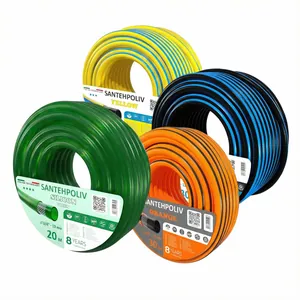
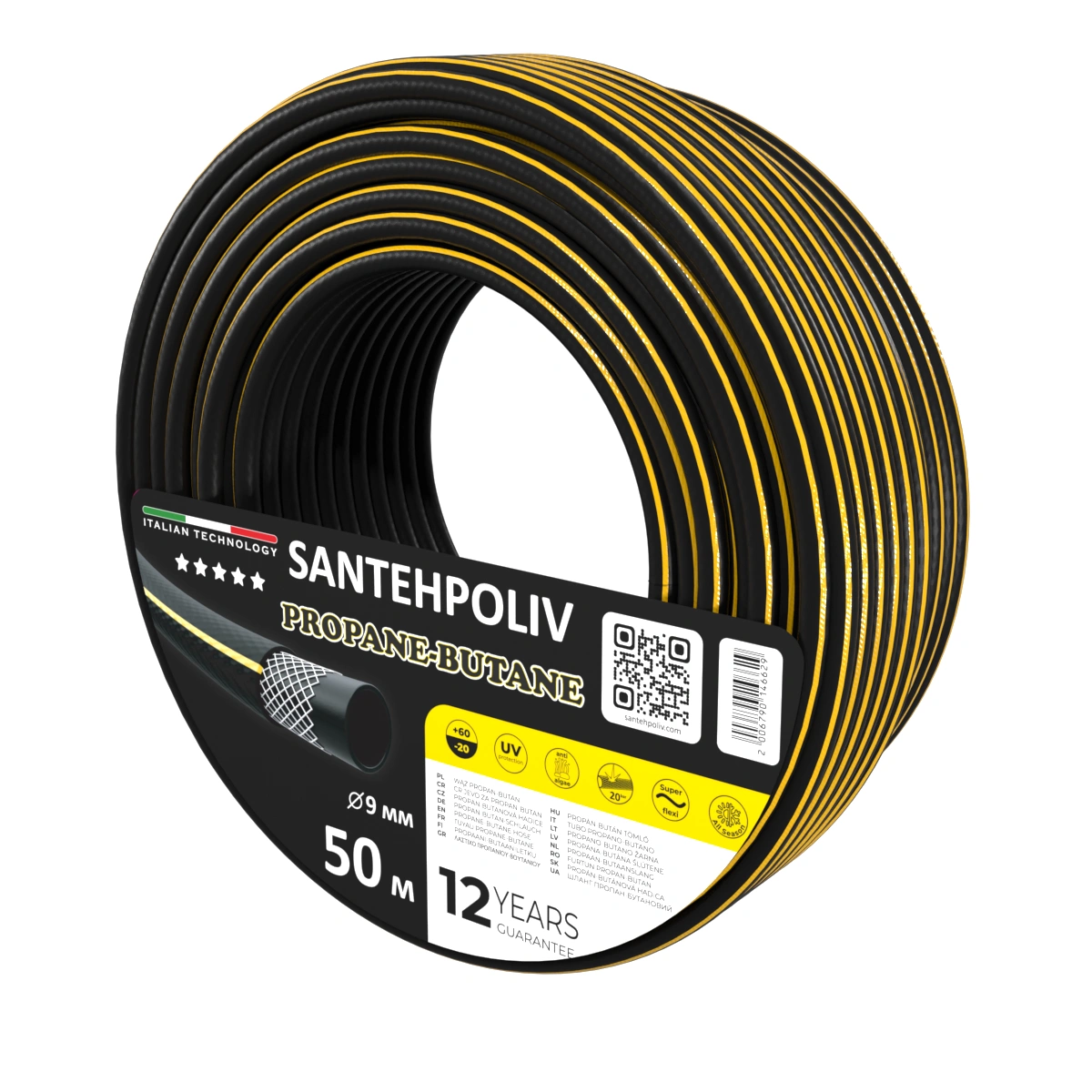
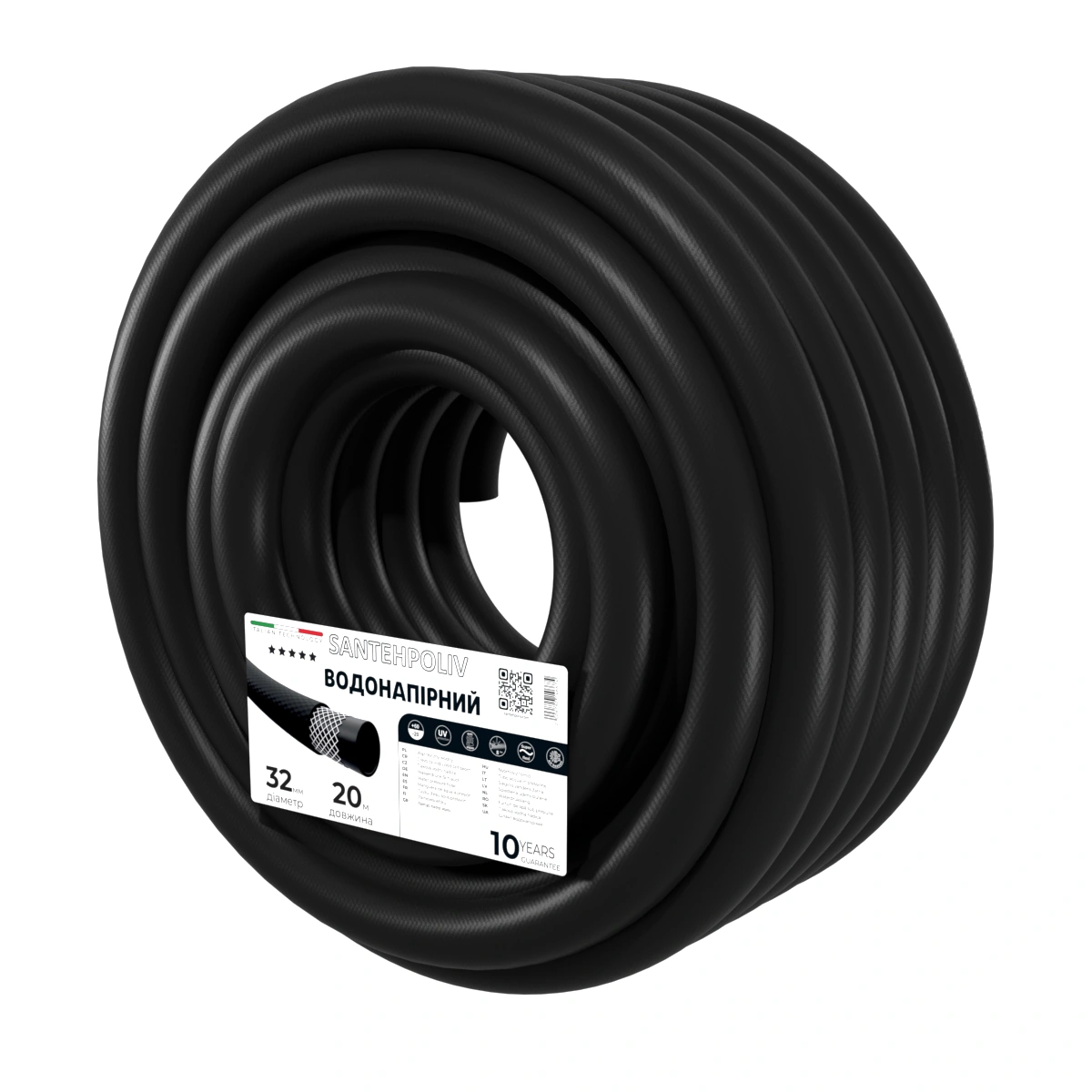
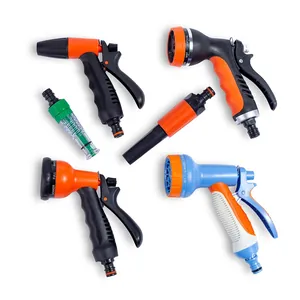
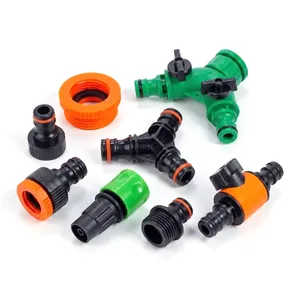
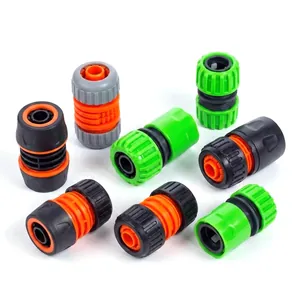
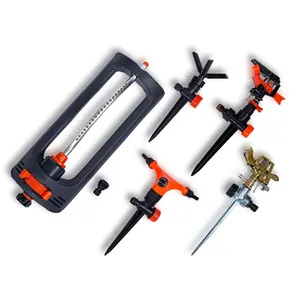
The Santehpoliv catalog offers sprinklers, controllers, and regulators for quality lawn irrigation of any size.