

Spring irrigation system startup: post-winter checklist
Step-by-step de-winterization: inspection, part replacement, mainline flushing, pressure test. From first inspection to season start.
12 items
Checklist
5 systems
Checks
120 min
Working time
100%
Readiness
When to start
The optimal de-winterization time is late March / early April, when the average daily temperature is consistently above +5°C and there is no risk of night frost below −5°C. For greenhouses — earlier (early March).
Warning: If you start the system with a frost risk below −3°C, water in the tape will freeze and damage the emitters. Water expands 9% upon freezing.
Complete spring startup checklist
1. Equipment inspection (30 min)
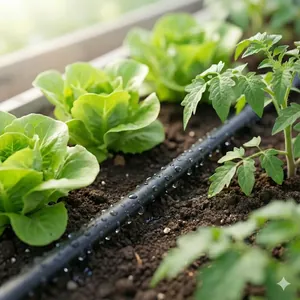
- Drip tape: unroll a section and check for brittleness. If it breaks when bent — replace the entire roll
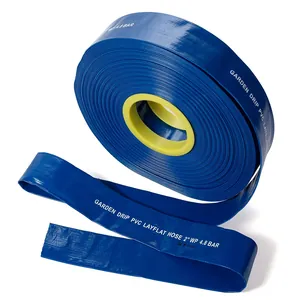
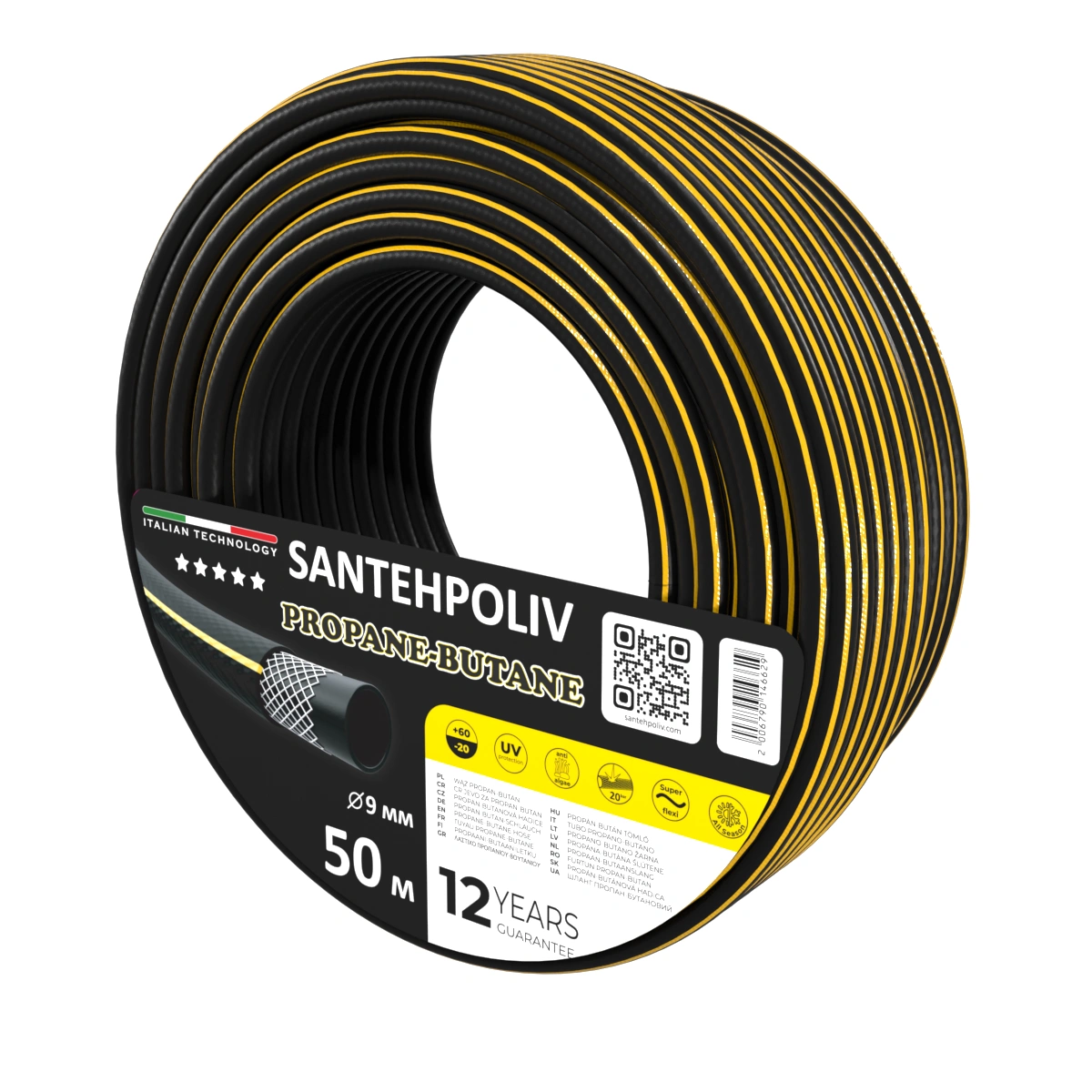
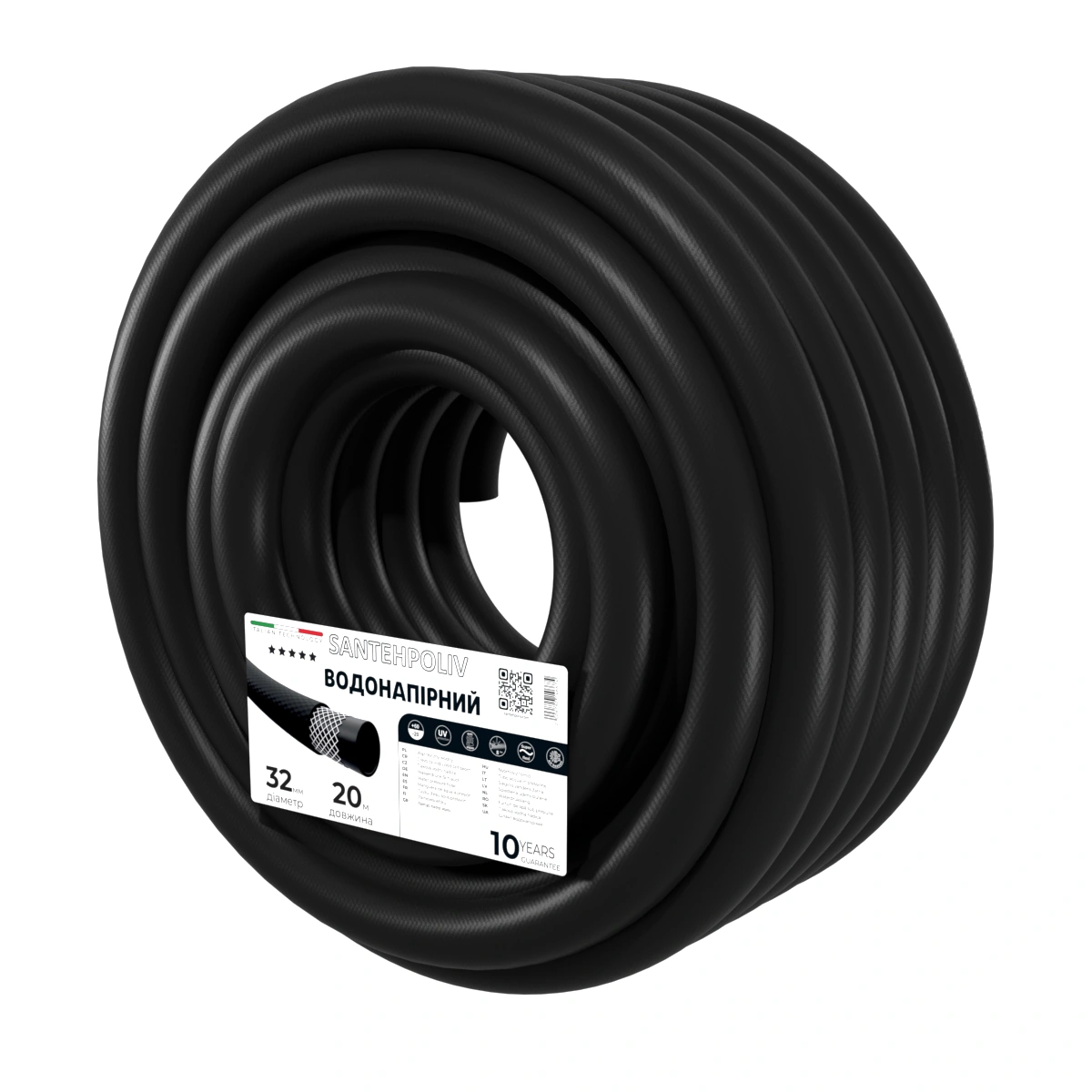
- Mainline hose (16–20 mm LayFlat): check for cracks and kinks, especially at bends
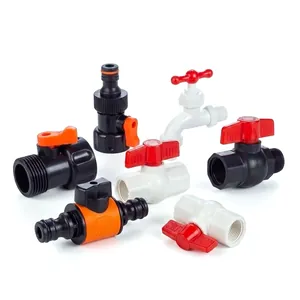
- Start connectors and fittings: inspect plastic for micro-cracks, replace rubber gaskets if hardened
- Filter: disassemble, check the screen or discs for damage. Flush with 3–5% acid if limescale remained
- Timer: check display, buttons, valve. Install fresh alkaline batteries
- Pressure regulator: inspect the diaphragm, check that the adjuster moves freely
- Pump (if applicable): lubricate, check bearings, replace seals if needed
2. Installation (30 min)
- Lay the mainline along the beds following last year's layout
- Install the filter, timer, and regulator on the inlet line
- Connect the tape via start connectors. Seal the ends with caps
3. System flush (20 min)
- Unscrew the end caps on each tape row
- Run water for 5–10 min — until it runs clear (no sediment)
- If water was hard — shock flush with 3–5% citric acid for 1 hour, then clean water for 20 min
- Chlorine treatment for biofilm — 5–10 ppm NaOCl for 1 hour, then flush
- Close the end caps
4. Pressure test and flow check (30 min)
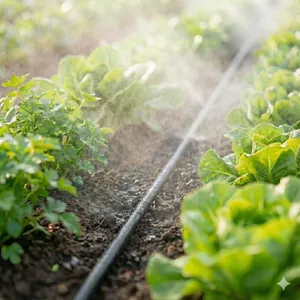
- Apply water at 30% pressure. Check all connections for leaks
- Gradually increase to operating pressure (1.0–1.5 bar for drip, 2–3 bar for sprinklers)
- Measure the output of 10 random emitters (cup + stopwatch). Cv ≤ 0.1 — normal. Cv > 0.15 — needs replacement or treatment
- Mark rows with poor emitters — repair or replace
5. Timer setup (15 min)
- Set the current date and time
- April schedule: start 8:00 AM, duration 15–20 min, frequency once every 2–3 days
- May schedule: start 7:00 AM, duration 20–30 min, 3 times per week
- June–August schedule: start 6:00 AM, duration 30–45 min, daily
- Activate AUTO mode and wait for the next cycle for a test run
Common problems during de-winterization
- Mainline cracks from rodents: most often, mice chew through LayFlat over winter. Replace the damaged section with a repair coupling
- Tape cracks from frost: if water was NOT fully drained before winter — ice ruptured the emitter channels. Replace the entire roll
- Hardened rubber gaskets: rubber ages over winter in cold storage — replace with new ones; do not try to lubricate
- Limescale on emitters: after flushing with hard well water — perform a 3–5% citric acid shock treatment
- Timer won't start: dead batteries (common issue). Replace with fresh alkaline batteries (Duracell, Energizer). Check contacts for corrosion
Printable checklist summary
- Inspect tape for cracks and brittleness
- Check mainline for rodent damage
- Replace hardened rubber gaskets
- Flush filter; replace if needed
- Install new batteries in the timer
- Lay mainline and tape
- Flush the system with clean water for 5–10 min
- Acid flush if needed (3–5% citric acid)
- Chlorine treatment for biofilm
- Pressure test and emitter flow check
- Program the timer for the spring schedule
- Run 2–3 test cycles for verification
For farms
- Professional diagnostics: measure Cv of 30 random emitters, statistics by zone — replace problem areas
- Laboratory water analysis: changes in Fe/Mn/Ca composition over winter may require filtration adjustments
- Fertigation station calibration: adjust Dosatron/MixRite dosing pumps to actual pressure
- Pump group maintenance: check bearings, lubricant, insulation. VFD diagnostics
- Controller and soil moisture sensor check — update ET data from the weather station
Season supplies
Typically needed in spring: new tape for damaged sections, rubber gaskets, batteries, repair couplings.