

Water quality for irrigation: impact of Fe, pH, hardness, and TDS
How water chemistry affects your irrigation system. Standards for safe operation, treatment methods, and laboratory analysis for farmers.
Why water quality is critical for drip irrigation
Emitters have outlet channels of 0.2–1.5 mm. Even a thin layer of deposits over 1–2 seasons will cut flow in half. And water from farm wells often contains 0.5–5 mg/L iron, 200–500 mg/L calcium, pH 7.5–8.5 — everything that immediately clogs emitters.
Fact: 80% of drip system failures on farms result from inadequate filtration and unsuitable water quality. A UAH 150 analysis saves the system from a UAH 30,000–50,000 replacement.
Key quality parameters
| Parameter | Secure | Warning | Critical |
|---|---|---|---|
| pH | 6.5–7.5 | 5.5–6.5 або 7.5–8.0 | < 5.5 або > 8.0 |
| Iron (Fe) | < 0.3 мг/л | 0.3–1.5 мг/л | > 1.5 мг/л |
| Manganese (Mn) | < 0.1 мг/л | 0.1–0.3 мг/л | > 0.3 мг/л |
| Hardness (Ca+Mg) | < 200 мг/л | 200–400 мг/л | > 400 мг/л |
| Bicarbonates HCO₃ | < 200 мг/л | 200–400 мг/л | > 400 мг/л |
| TDS (сольовміст) | < 500 мг/л | 500–1500 мг/л | > 1500 мг/л |
| EC (електропровідність) | < 0.75 mS/cm | 0.75–3.0 mS/cm | > 3.0 mS/cm |
| Turbidity | < 5 NTU | 5–10 NTU | > 10 NTU |
| Bacteria (CFU/mL) | < 10 000 | 10 000–50 000 | > 50 000 |
Basis: FAO Irrigation and Drainage Paper 29 (Ayers & Westcot, Water Quality for Agriculture) and ISO 16075 (use of treated wastewater for irrigation). For Ukraine — DSTU 2730:2015 (irrigation water).
Problem #1: Iron
The most common well water problem in Ukraine. Fe²⁺ (dissolved) oxidizes to Fe³⁺ (precipitate) on contact with air — reddish color, scale on emitters, biofilm.
Iron removal methods:
- Aeration + settling (Fe 0.3–2 mg/L): a 500–2,000 L tank with an air diffuser. Fe²⁺ oxidizes and settles out. Drain valves at the bottom for sediment removal
- Iron removal filter with a catalyst (Fe 2–10 mg/L): Birm, Greensand Plus, Katalox — mineral media that oxidizes Fe inside the filter. Backflush needed every 3–7 days
- Chlorination (Fe > 5 mg/L): injection of 5–10 ppm NaOCl oxidizes Fe instantly. Then a disc filter captures the precipitate. For large systems with Fe > 10 mg/L
- System acid flush: once a month, 3–5% citric acid for 1–2 hours → dissolves existing deposits in the system
Key point: at Fe > 0.5 mg/L, a system WITHOUT iron removal will fail within 1 season. Invest in filtration upfront — it's cheaper than replacing tape.
Problem #2: Hardness (limescale)
Ca²⁺ + HCO₃⁻ precipitate as CaCO₃ (limestone) when heated or pressure changes. A typical Ukrainian well = 300–500 mg/L hardness. Deposits accumulate on emitters, gradually clogging them.
What to do:
- Hardness < 200 mg/L: standard 120–150 mesh filtration + acid flush once every 2 months
- 200–400 mg/L: monthly acid treatment (3–5% citric acid), pH correction with HNO₃ to 6.5 for fertigation systems
- > 400 mg/L: ion-exchange softener (Na-cation resin) or reverse osmosis. Expensive, but without it — 2 seasons and the tape needs replacing
- Acid injection (commercial option): automatic HNO₃ addition to pH 6.0–6.5 before the filter. Bicarbonates are neutralized, no deposits form
Problem #3: pH
Alkaline water (pH > 7.5)
- Increased CaCO₃ precipitation
- Poor micronutrient availability (Fe, Mn, B)
- Solution: nitric acid (HNO₃) or orthophosphoric acid (H₃PO₄) to pH 6.0–6.5
- Approximate dose: 0.1–0.5 mL of 50% HNO₃ per 1 L of water
Acidic water (pH < 5.5)
- Corrosion of metal system components
- Al and Mn toxicity to roots
- Solution: KOH or Ca(OH)₂ (lime) to pH 6.0–6.5
- Rare — most wells in Ukraine are alkaline
Problem #4: Biological threats
Water from ponds, open reservoirs, and rainwater contains algae, bacteria, and iron bacteria. Biofilm in the mainline clogs emitters within 2–4 weeks.
- Chlorination: shock chlorination at 5–10 ppm NaOCl for 1 hour once a month
- UV sterilization: UV lamp before the filter — destroys 99% of bacteria and algae. For commercial systems
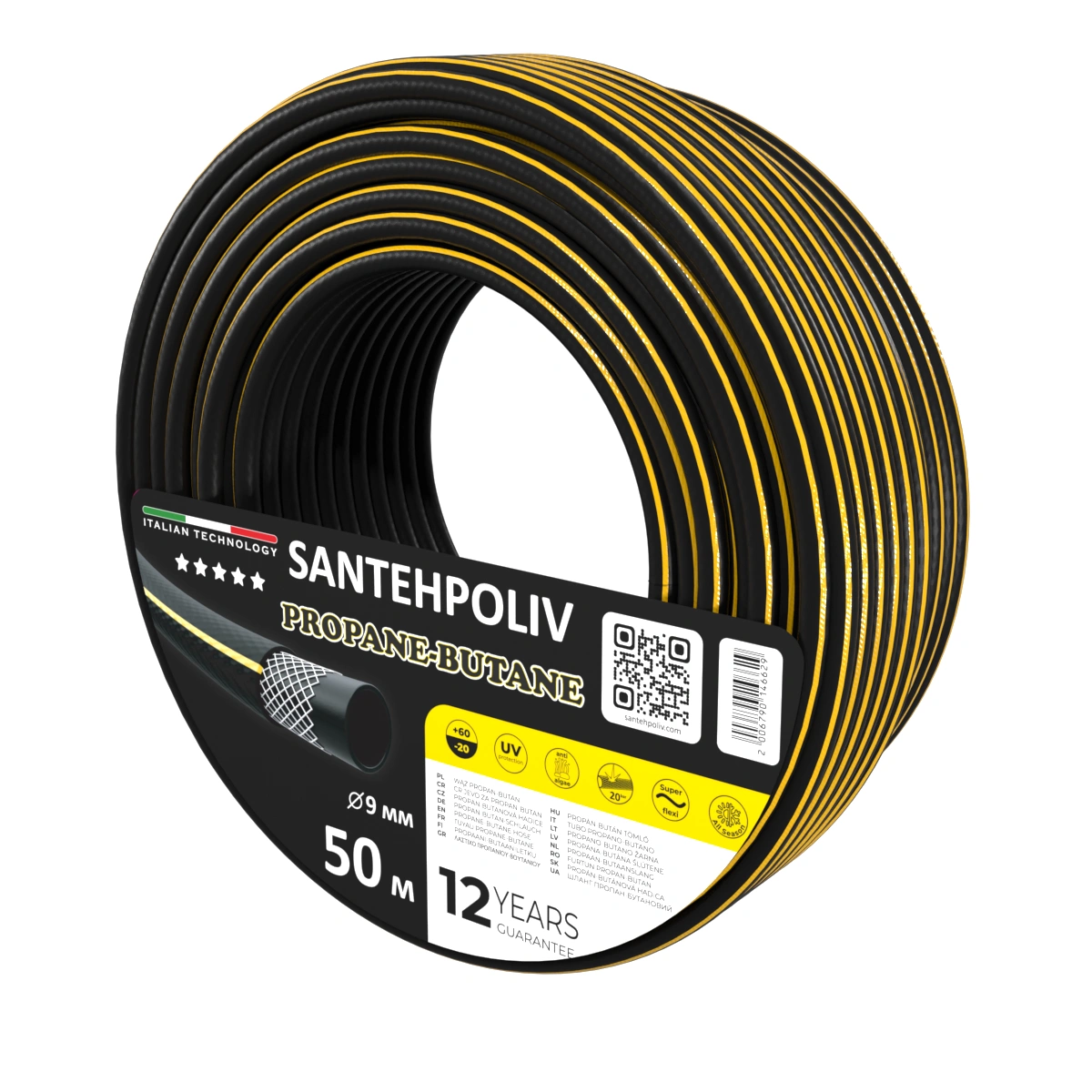
- Opaque mainlines: black HDPE instead of blue — algae cannot grow without light
- Sand filter 20–25 micron: captures algae and bacteria when water comes from an open reservoir
Laboratory water analysis
Before designing an irrigation system, water analysis is mandatory. Cost: UAH 500–1,500; turnaround: 3–7 days.
Minimum analysis package for irrigation:
- pH
- Total dissolved solids (TDS or dry residue)
- Hardness (Ca²⁺, Mg²⁺)
- Total iron (dissolved Fe²⁺ and oxidized Fe³⁺)
- Manganese (Mn)
- Bicarbonates (HCO₃⁻)
- Chlorides (Cl⁻) and sulfates (SO₄²⁻)
- Turbidity
- Total microbial count (for surface water)
Laboratories: Ukrainian Laboratory of Product Quality and Safety, regional sanitary-epidemiological stations, Ecotest Kyiv, ECO-Analysis (Kharkiv).
Quick decision matrix
- Municipal supply: 120 mesh screen filter only, nothing more
- Clean well (Fe < 0.3, pH 7): 120 mesh disc filter + monthly 3% citric acid flush
- Well with iron 0.5–2 mg/L: aeration in a tank + 150 mesh disc filter + monthly citric acid
- Well with Fe > 2 mg/L: iron removal filter (Birm, Greensand) + 150 mesh disc filter
- Hardness > 400: ion exchange or HNO₃ acid injection
- Pond/river: hydrocyclone + sand filter + disc filter + chlorination
For commercial farms and greenhouses
- Online quality monitoring: EC/pH sensors + controller (Bluelab Pro, Hanna HI981030) — automatic acid correction when values deviate
- SAR (Sodium Adsorption Ratio) for irrigated land: SAR > 3 causes sodium-induced soil salinity. Monitor each season
- Fertigation station with HNO₃ injection for pH correction to 6.0 before the filter and fertigation unit (Netafim NetaJet, Priva)
- Certified laboratories: ERA-CERT, Bureau Veritas, SGS Ukraine — for tenders and international requirements
- Backup tank with aeration, 2–5 m³ — quality buffering and Fe oxidation before delivery to the system
Water treatment equipment
Our catalog offers disc and screen filters, iron removal systems, and maintenance supplies. Selection based on water analysis.