

Irrigation calendar: when and how much to water major crops
Irrigation rates in liters per plant by growth phase. Reference tables for vegetables, berries, and fruit trees in Ukraine's climate.
12 crops
Irrigation rates
4 phases
Growth
15 min
Reading time
-30%
Overwatering
General watering rules
- Watering time: early morning (5–7 AM) or evening (6–9 PM). Do not water during peak heat (12–4 PM) — water evaporates, leaves burn
- Wetting depth: 20–30 cm for greens and onions, 30–40 cm for vegetables, 40–60 cm for potatoes, 60–100 cm for trees
- Water temperature: 18–25°C (no colder than +15°C for heat-loving crops). Well water should be run through a holding tank in the sun
- Base rate: 10 L/m² = wetting to 10 cm depth in average loam. For 30 cm — 30 L/m²
- Soil type: sandy — frequently and lightly; clay — infrequently and heavily. Loam — universal
Vegetable crops
| Crop | Growth phase | Rate per plant | Frequency (loam) |
|---|---|---|---|
| Tomatoes | Transplanting – flowering | 1.5–2 л | Every 2–3 days |
| Fruiting | 3–5 л | Every 3–4 days | |
| End of fruiting | 2 л | Peppers | |
| Cucumbers | Before flowering | 1 л | Every 2–3 days |
| Fruiting | 3–5 л | Daily | |
| Peppers, eggplant | Seedlings – flowering | 1 л | Every 3 days |
| Fruiting | 2–3 л | Every 3–4 days | |
| Cabbage | After transplanting | 2 л | Every 2–3 days |
| Head formation | 4–6 л | Every other day | |
| Potatoes | Flowering – tuber formation | 3–4 л на кущ | 1–2 times a week, 20–30 L/m² |
| Carrots, beets | Entire season | 20 L/m² | Once every 5–7 days |
| Onions, garlic | Until bulb formation | 10–15 L/m² | Once every 6–8 days; stop 2 weeks before harvest |
| Watermelons, melons | Fruit set – ripening | 5–10 л на кущ | Once every 7 days; stop 2 weeks before harvest (sugar accumulation) |
| Greens (lettuce, dill, parsley) | Entire season | 10–15 L/m² | Every 2–3 days |
Berry crops
| Crop | Phase | Standard | Frequency |
|---|---|---|---|
| Strawberries | Spring before flowering | 20 L/m² | Once every 7 days |
| Flowering – fruiting | 20–25 L/m² | 2–3 times a week | |
| Post-harvest | Raspberries, blackberries | Once every 7 days | |
| 15 L/m² | Spring – flowering | 30 L/m² | Once every 10 days |
| Berry ripening | 30 L/m² | Once every 5–7 days | |
| Currants, gooseberries | Entire season | 30–40 л на кущ | Once every 10–14 days |
| Grapes | Flowering – berry fill | 40–60 л на кущ | Once every 10–14 days; stop 2–3 weeks before harvest |
Fruit trees
| Tree age | Apple, pear | Cherry, plum, apricot | Frequency |
|---|---|---|---|
| 1–3 роки | 30–40 л | 20–30 л | Once every 10–14 days during dry periods |
| 4–6 років | 50–80 л | 40–60 л | Once every 15 days |
| 7–10 років | 100–150 л | 80–100 л | Once every 2–3 weeks |
| 10+ років | 150–250 л | 100–150 л | Once every 3 weeks |
Key phases: for fruit trees, 4 key waterings matter: after flowering, during fruit set, 15–20 days before harvest, and a pre-winter deep watering in October (100–200 L per tree).
Monthly watering schedule (central Ukraine climate)
| Month | What to water | Intensity |
|---|---|---|
| March | Seedlings in greenhouses, berries after snow melt | Minimal — natural moisture |
| April | Seedlings, garlic, onions, strawberries | Once every 10 days |
| May | Entire field — seedling transplanting, active growth | 2–3 times a week |
| June | Strawberry fruiting, berries, vegetable flowering | Daily for heat-loving crops, every other day for the rest |
| July | Peak fruiting of vegetables, trees, grapes | Daily — highest water consumption |
| August | Tomatoes, peppers, eggplant, melons | Daily. Melons/watermelons — stop 2 weeks before harvest |
| September | Late crops, cabbage, root vegetables | Twice a week |
| October | Pre-winter deep watering for trees | 1 deep watering per tree, 100–200 L |
How to tell if watering is wrong
Insufficient watering:
- Leaves droop in the afternoon and do not recover at night
- Small, misshapen fruit
- Dry soil at 10 cm depth
- Premature flowering and bolting (stress bolting)
- Lower leaf yellowing on older plants
Overwatering:
- Yellowing and leaf drop from the bottom up
- Cracked fruit (tomatoes, watermelons)
- Rotting smell from the soil, mold growth
- Late blight on tomatoes, powdery mildew on cucumbers
- Waterlogged soil for more than 12 hours after watering
For commercial farms
- ET calculation per FAO-56: ETc = ETo × Kc, where ETo = reference evapotranspiration, Kc = crop coefficient by growth phase (0.3–1.2)
- Weather station measuring ETo (Davis Vantage, Campbell Scientific, Hunter WS) + automatic schedule adjustment
- Soil moisture sensors (Watermark, Sentek, Meter EC-5) at 2–3 depths for correction based on actual demand
- Keeping an agro-journal: date, duration, watering rate, growth phase, crop response — for optimizing the next season
- Deficit irrigation — a strategy of deliberate 20–30% deficit during non-critical phases. Water savings without yield loss
Equipment for precise dosing
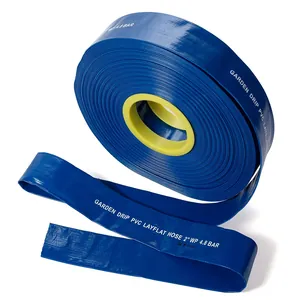
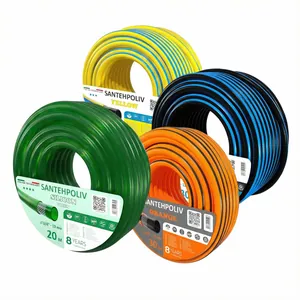
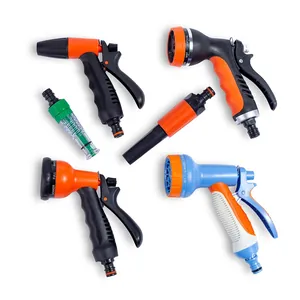
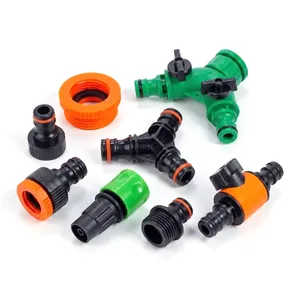
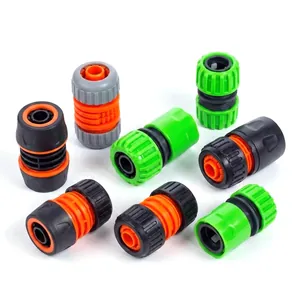
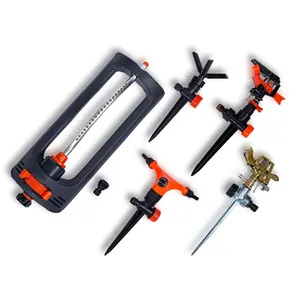
To maintain rates, you need drip irrigation and a timer. Our catalog has everything for building a metered system.